Room Decor in South Africa, Ranked by Usefulness
Rental-safe, res-proof decor: USB lighting and removable everything.
Decorating in South Africa usually means decorating a room you do not own: a res room with a no-nails clause and a checkout inspection, a rental with a deposit riding on the paint, a teenager's room in a house where drilling is a negotiation. This category ranks decor that goes up without tools and comes down without evidence.
One scope rule, stated upfront for safety: we only consider low-voltage lighting that runs off USB or batteries. Mains-powered fairy-light strings from unknown importers are excluded outright, and we do not rank plug adapters or chargers at all. Buy those certified and locally, from a retailer with a returns desk, and power the cheap imported lights from equipment you already trust.
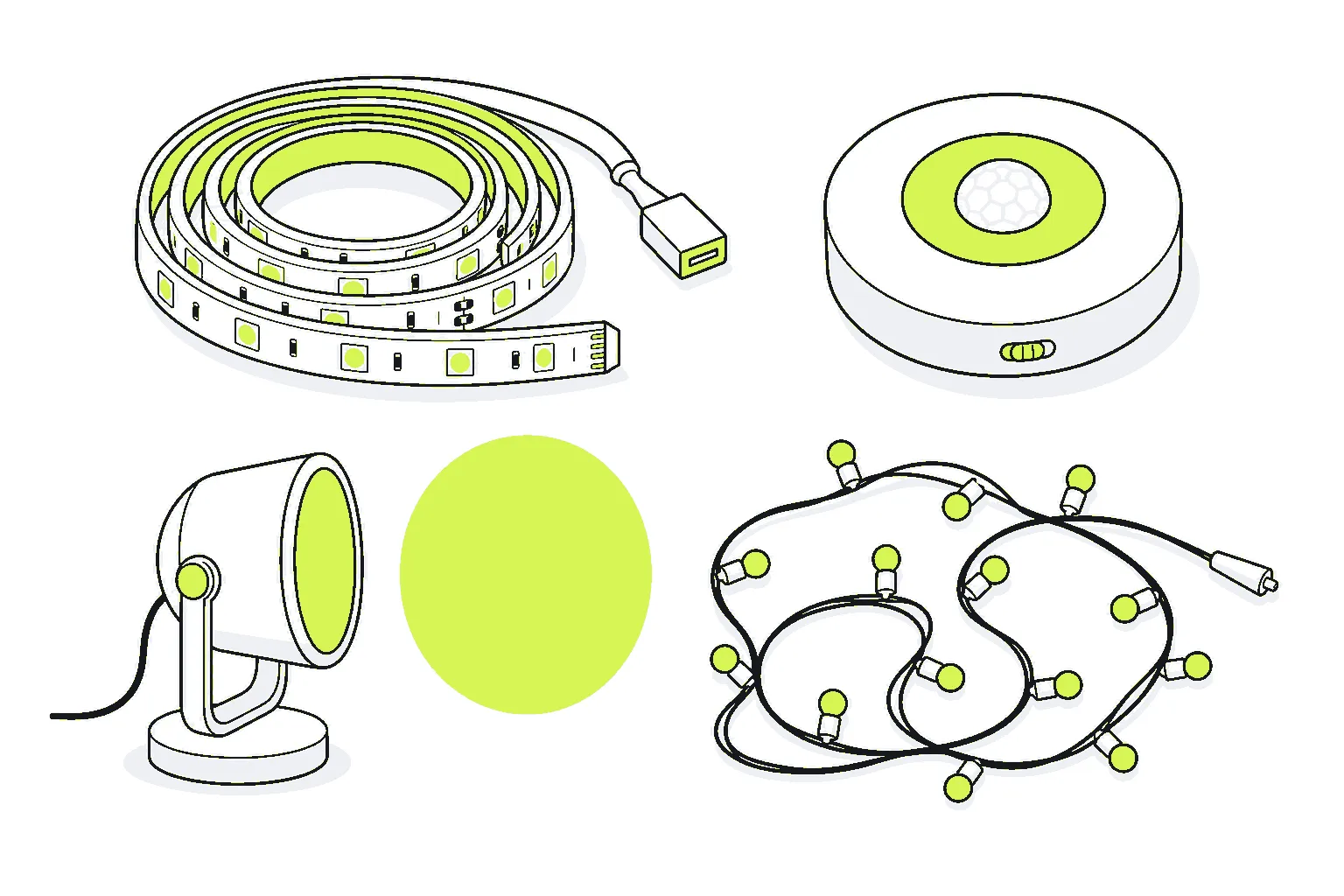
The rankings
Buying in this category
Most people land here setting up a res room in February, softening a rental's rented gloom, or spending birthday money on a teenager's room. Budgets are student-sized, walls are off-limits to drills, and everything has to survive a year-end inspection with the deposit intact. The search is for maximum room transformation per rand with zero permanent damage, which in practice means lighting first.
What to look for
- USB or battery power on anything that lights up. It is the safe end of the market, and it keeps working off a power bank when the power does not, a habit South Africa learned thoroughly in the load-shedding years.
- A removal method you can actually picture: adhesive strips, hooks, putty or gravity. If the listing says nothing about removal, assume it takes paint.
- Sizes stated in centimetres. Decor photography is shot close and wide to flatter; a "large" sign can be 25cm across.
- Warm-white options for lighting, around 2700K to 3000K. Cool blue-white light makes a res room feel like a passport office.
- Inline switches, dimmers or timers. Anything you must unplug to turn off will simply stay on.
What to avoid
- Mains-powered fairy lights and plug-in strings from unknown importers. This is the one corner of decor where cheap is a fire conversation, not a quality conversation.
- Unbranded plug adapters and USB chargers bundled free with lights. Power everything from a charger brand you recognise, bought locally.
- Anything that needs drilling if you rent. The deposit maths never works out in your favour.
- "Damage-free" adhesive claims taken at face value. Those claims are tested on tile and glass, not on res-room paint.
Frequently asked questions
How do I decorate a res room without damaging the walls?
Work with furniture and gravity before walls: stick LED strips to bed frames, desks and mirror edges, hang fairy lights from adhesive hooks or putty, and use freestanding lamps. Where tape must touch paint, wipe the surface with surgical spirits first, test a hidden patch for a week, and remove slowly with hairdryer heat at year end. Check your res rules before anything goes up.
Why do you only rank USB and battery lighting?
Because low-voltage products are where cheap imported lighting stays safe. A 5V strip or string barely warms up and carries no mains shock risk, while the danger in this category concentrates in unbranded mains plugs and free bundled adapters. We exclude mains strings from unknown importers entirely and do not rank adapters at all: buy chargers certified, locally, from an accountable retailer.
Will LED strips and adhesive hooks damage paint?
They can, in both directions: adhesive falls off textured or dusty paint, and pulls chips off fresh or cheap paint. Reduce the risk by mounting on furniture instead of walls, cleaning the surface first, testing one hidden spot, and removing slowly with heat rather than one triumphant rip. On new or flaking paint, keep tape off entirely and use putty or hooks.
What decor makes the biggest difference in a small room?
Lighting, by a distance. Swapping a single cool ceiling light for warm light at eye level changes how a room reads more than anything textile or wall-mounted at the same price. Start with a warm USB strip or string, add a proper task lamp for the desk, and only then spend on posters, plants and textiles. Light is the cheapest layer to experiment with.